— 01 —
The Beginning
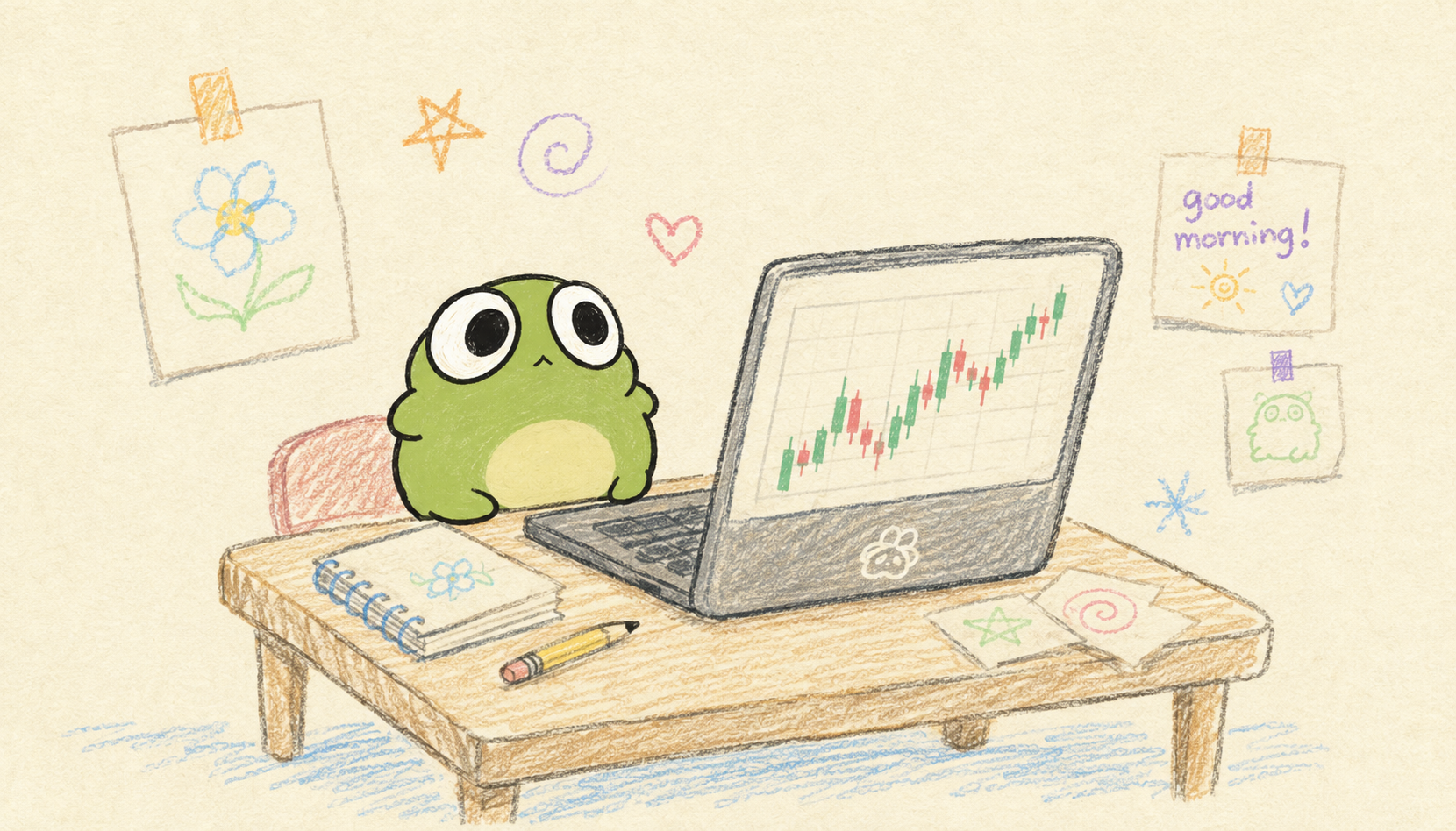
It starts the way most things do — quietly, on an ordinary morning that had no idea what it was about to become. Mip had never understood the market, but something about those strange green and red candles caught his attention. He didn't know what a wallet was or why everyone was chasing the next 100x. He just wanted to understand.
— 02 —
The First Green Candle
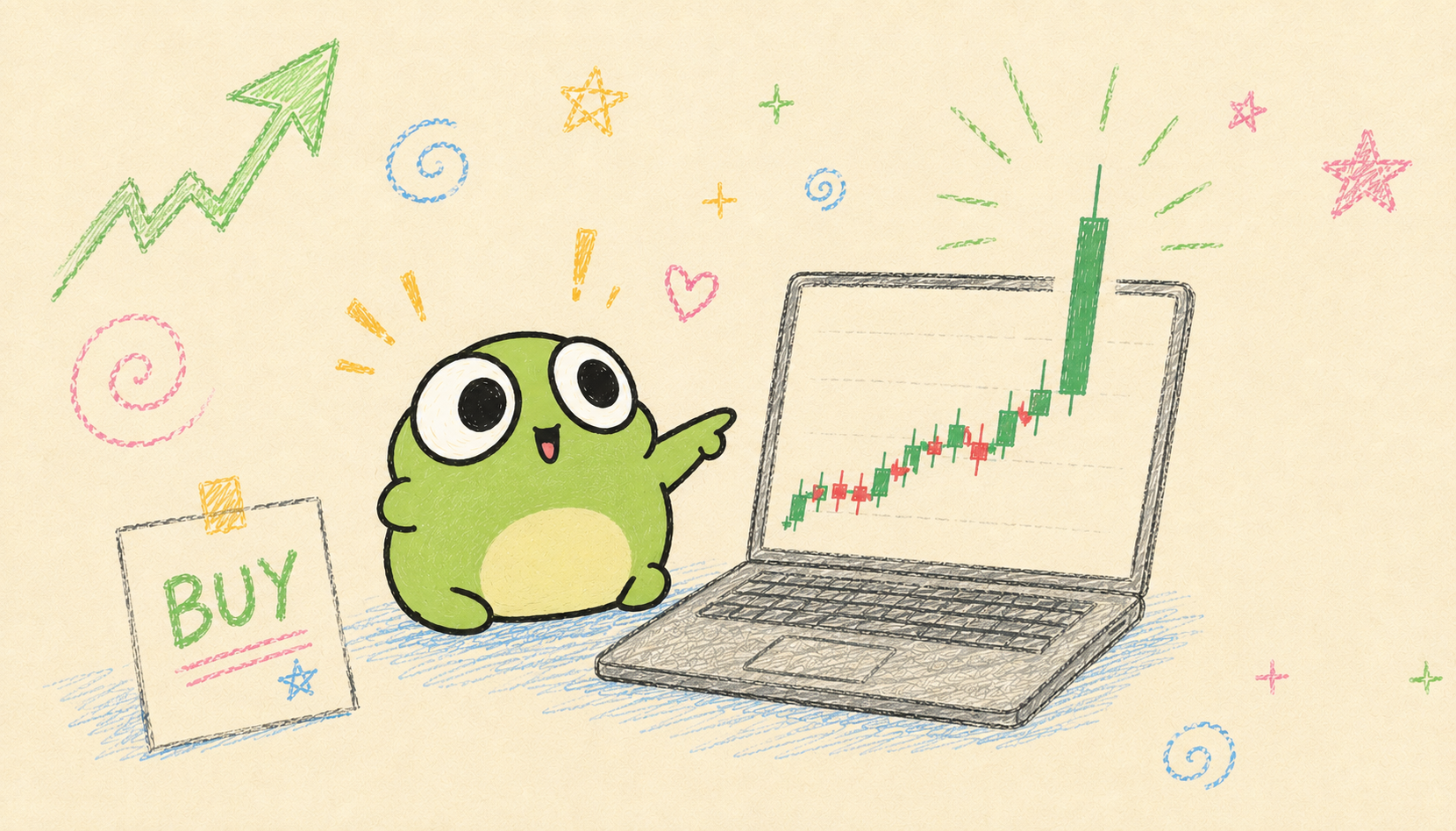
His first trade seemed almost too easy. Mip saw a huge green candle and bought without thinking twice. For a moment, everything looked perfect. Then the chart turned red, and his first position disappeared almost as quickly as it appeared.
— 03 —
The First Lesson
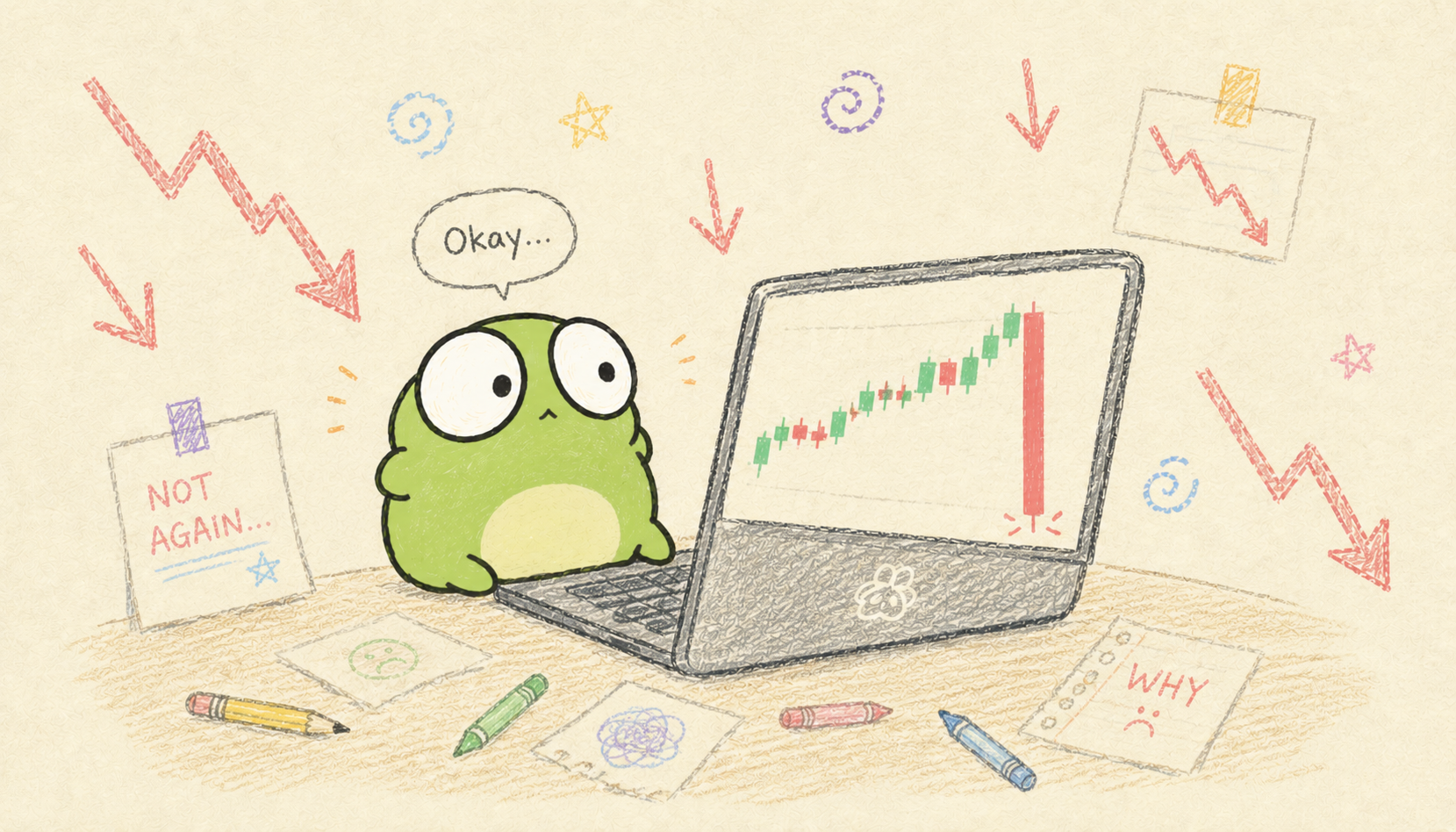
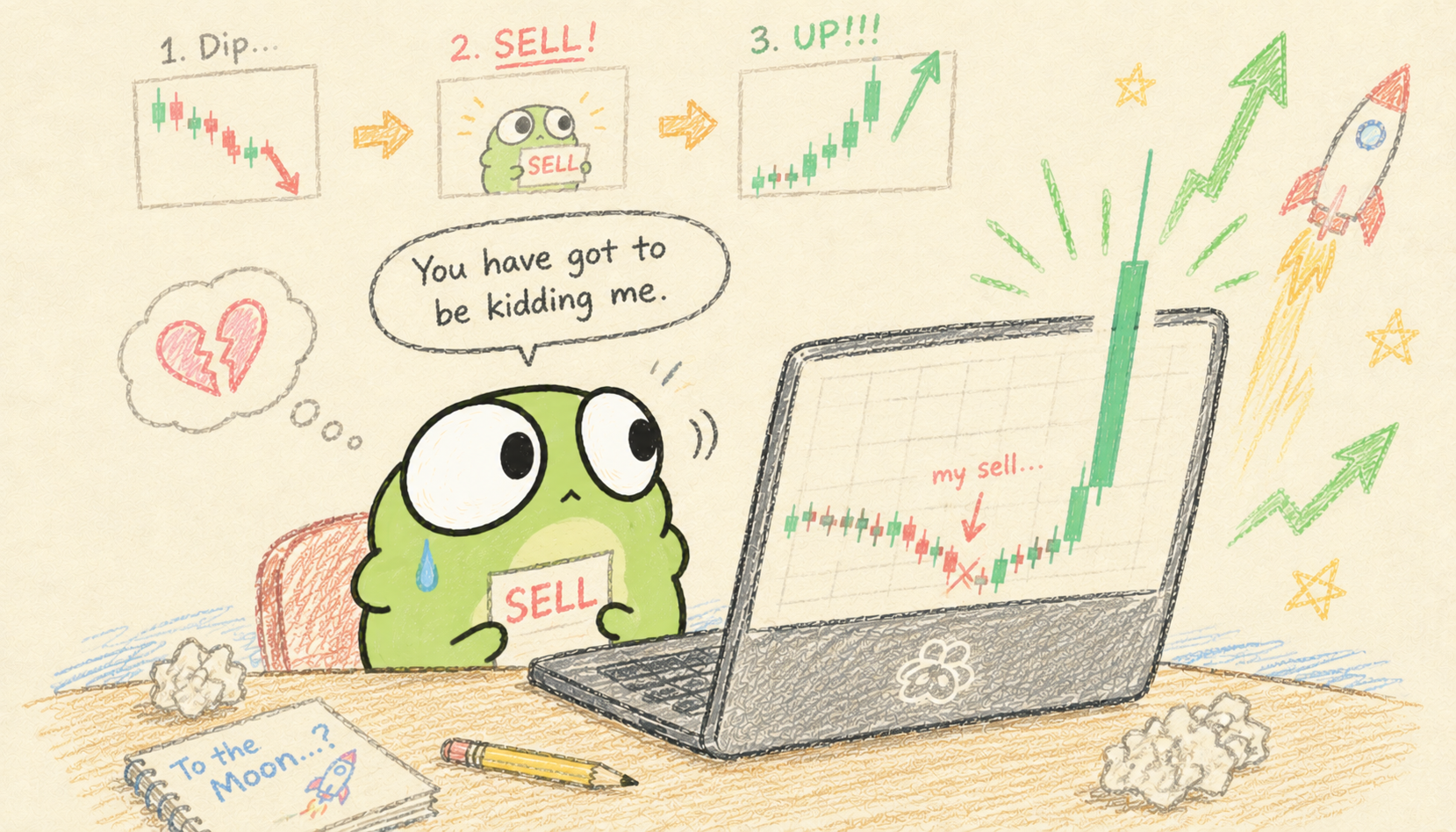
Mip tried again. This time, the price dipped slightly and fear took over. He sold, convinced it would keep falling. Seconds later, the chart exploded upward. Mip stared at the screen, realizing that the market could punish him for being greedy and for being scared.
— 04 —
Paper Hands
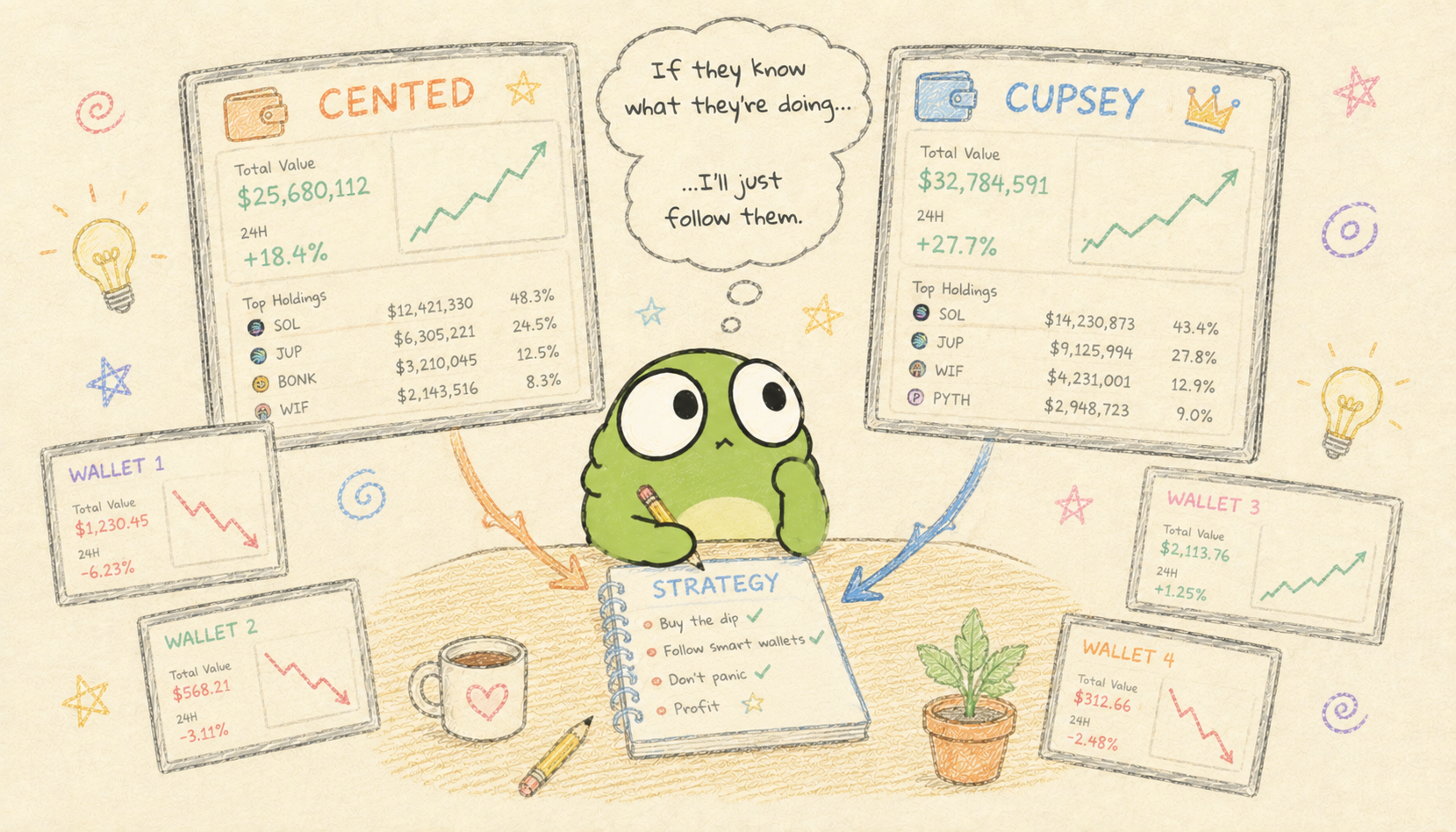
Mip needed a better plan. If he couldn't predict the market himself, maybe he could follow someone who could. He started watching successful traders and studying their wallets, looking for a way to learn from people who had already survived the trenches.
— 05 —
Copy The Best
Soon, Mip started following Cented and Cupsey. Their trades looked effortless. They seemed to know when to enter, when to wait, and when to leave. Mip thought he had finally found the answer. If they bought, he would buy. If they won, maybe he would win too.
— 06 —
Copytrading
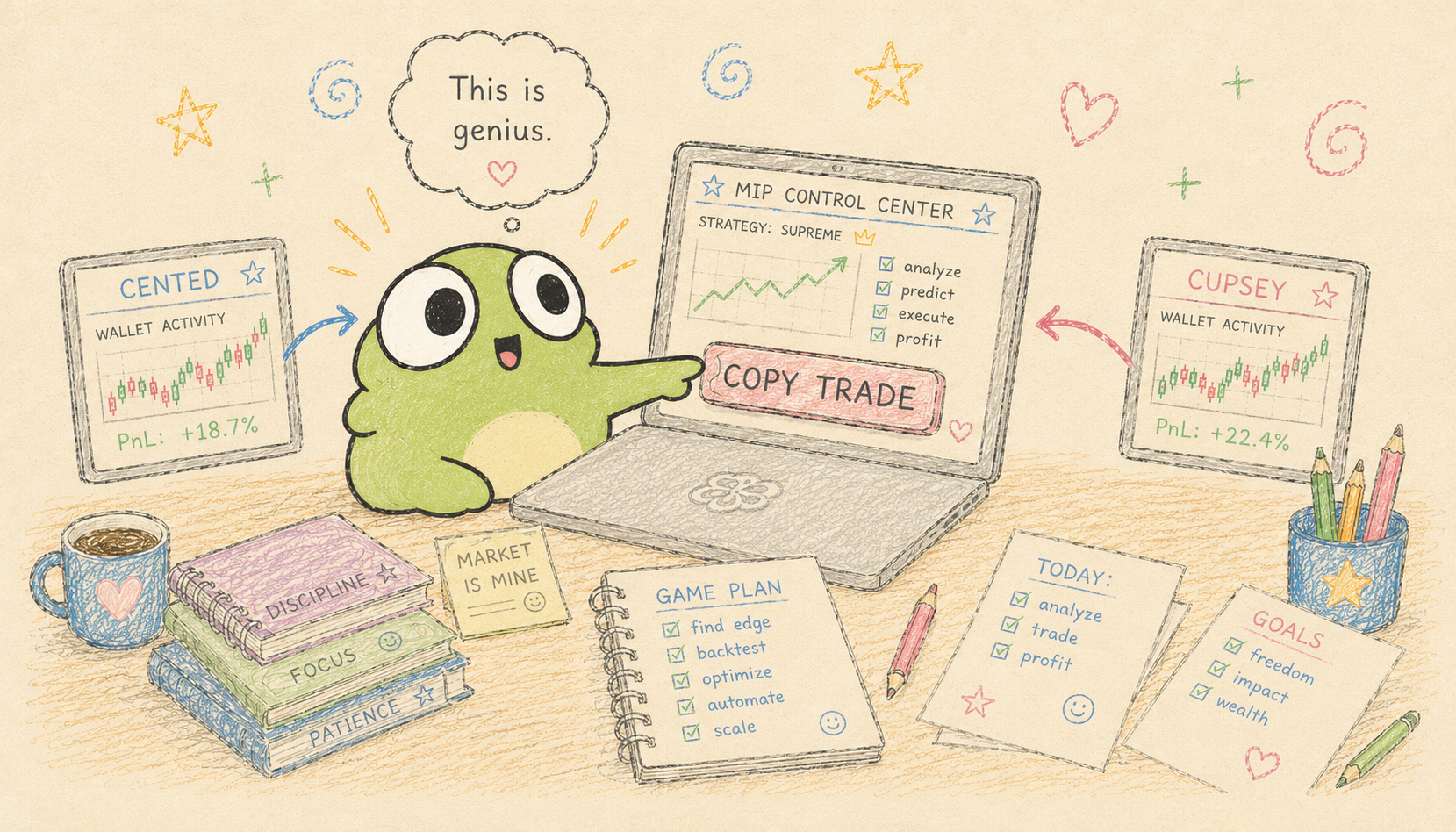
Mip connected everything and started copying their trades. At first, it felt like magic. A wallet bought, Mip bought. A token moved, Mip moved with it. For the first time, trading seemed simple. But the trenches had another lesson waiting for him.
— 07 —
Always Too Late
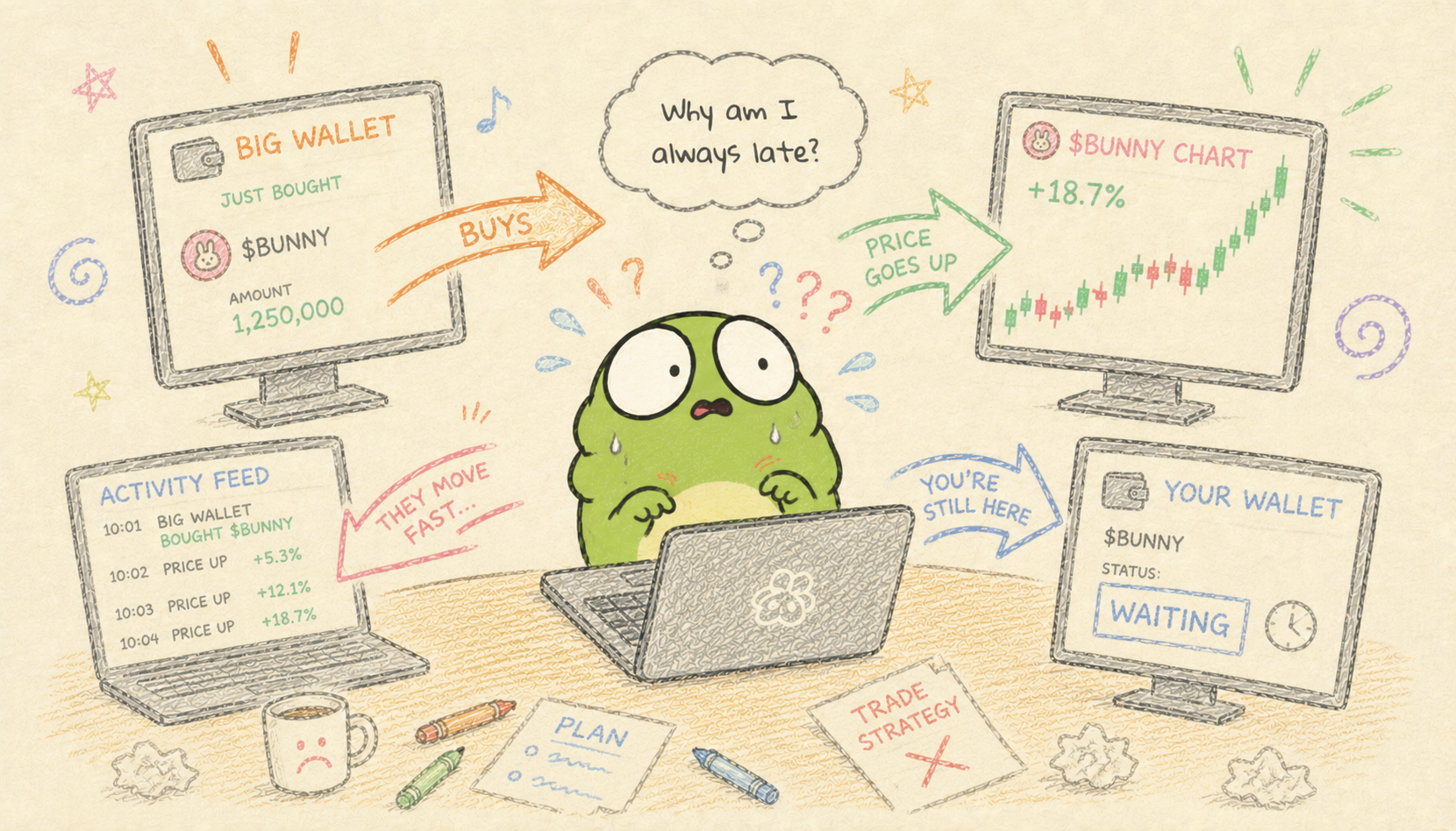
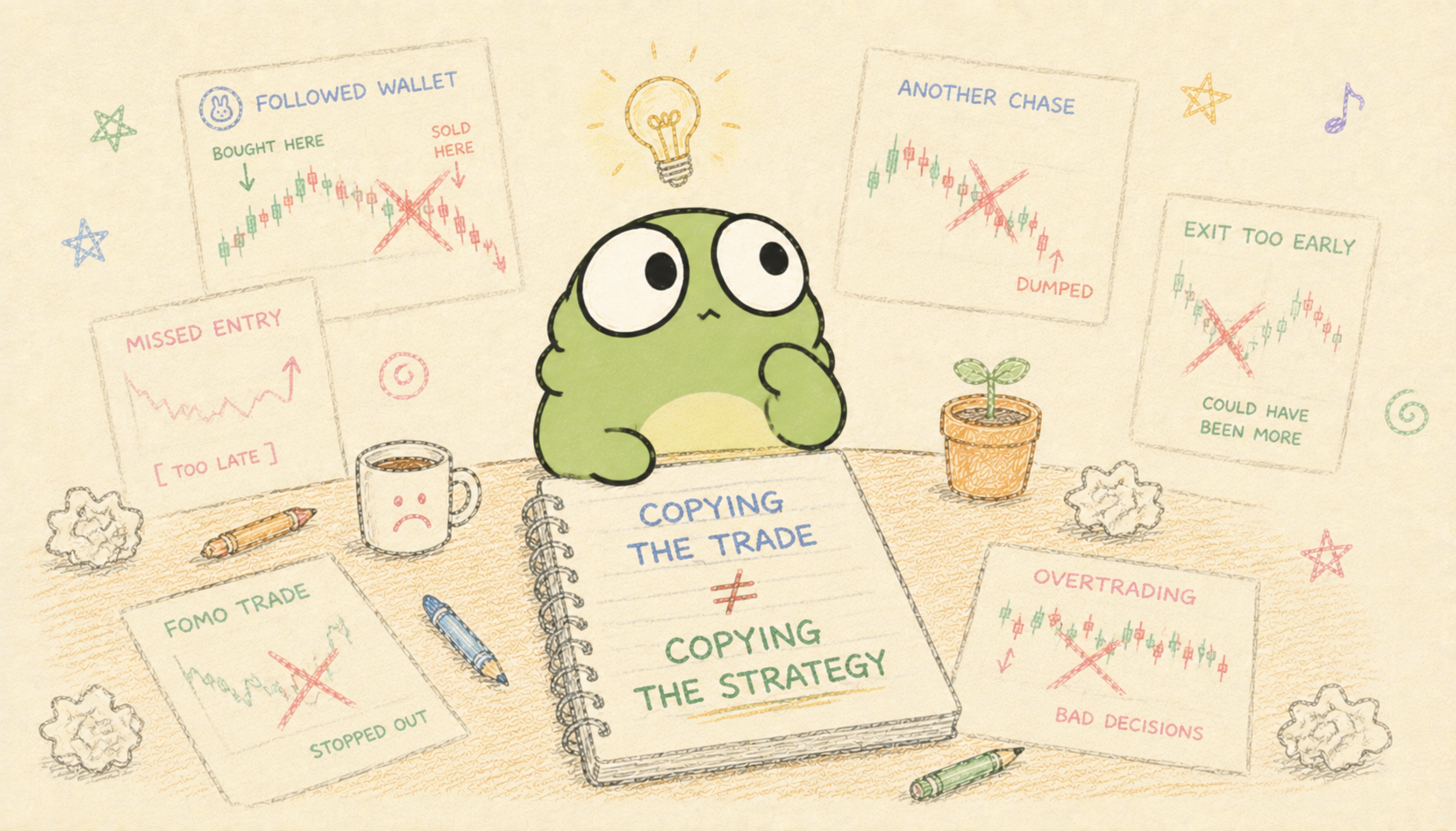
The problem was timing. By the time Mip saw a transaction and copied it, the market had already moved. Someone else's entry wasn't his entry. Someone else's timing wasn't his timing. Mip wasn't following the trade anymore. He was chasing it.
— 08 —
The Exit
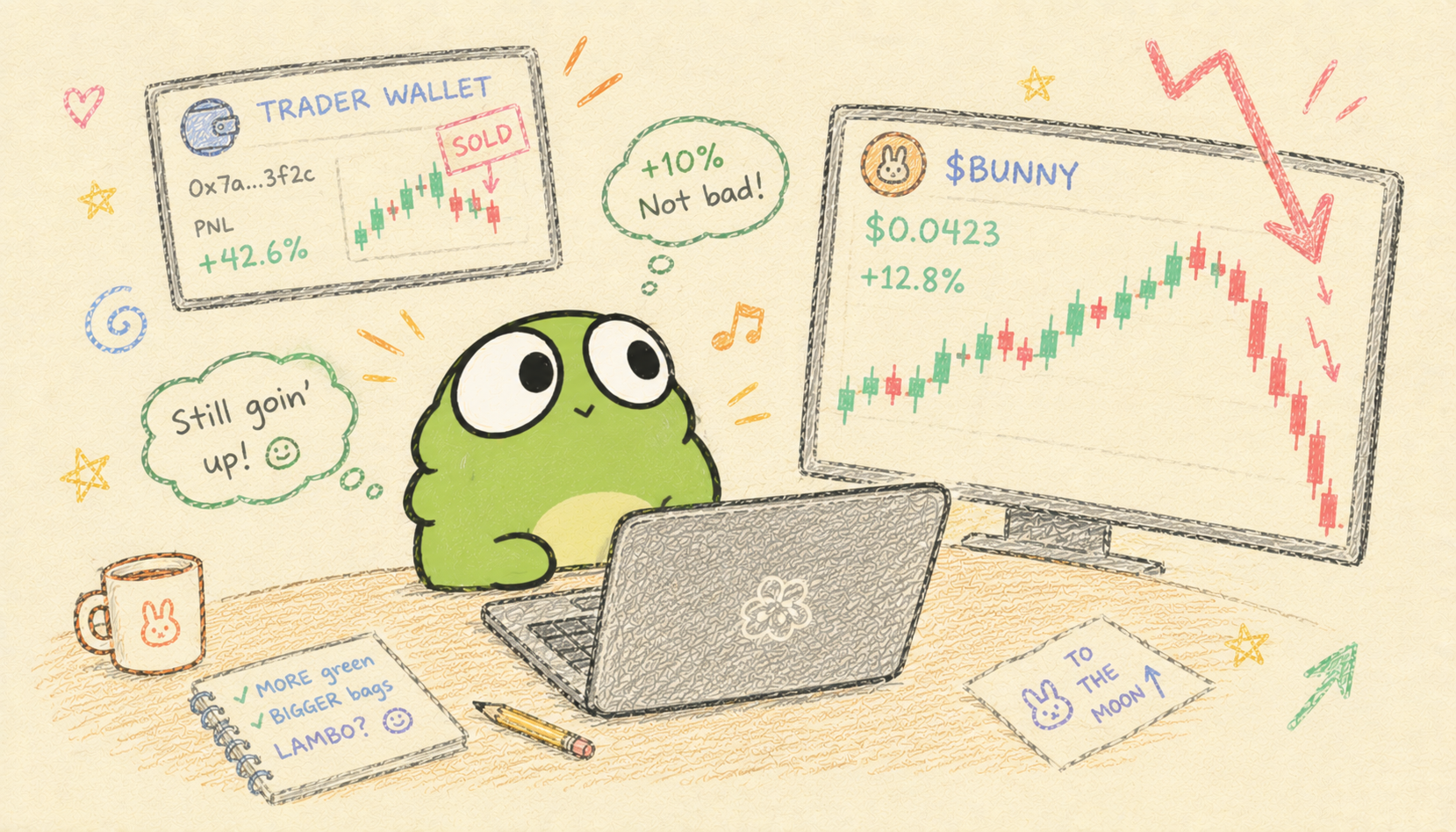
It got even worse when it came to selling. The wallets Mip followed could quietly exit before the market turned. Mip would notice too late, still holding while the green candles disappeared. He finally understood that copying someone's transactions could never give him their experience.
— 09 —
The Realization
Mip stopped looking for shortcuts. Copying the trade wasn't the same as understanding the strategy behind it. If he wanted to survive in the trenches, he needed to learn how the market actually moved. So he started studying everything he could.
— 10 —
Smart Money
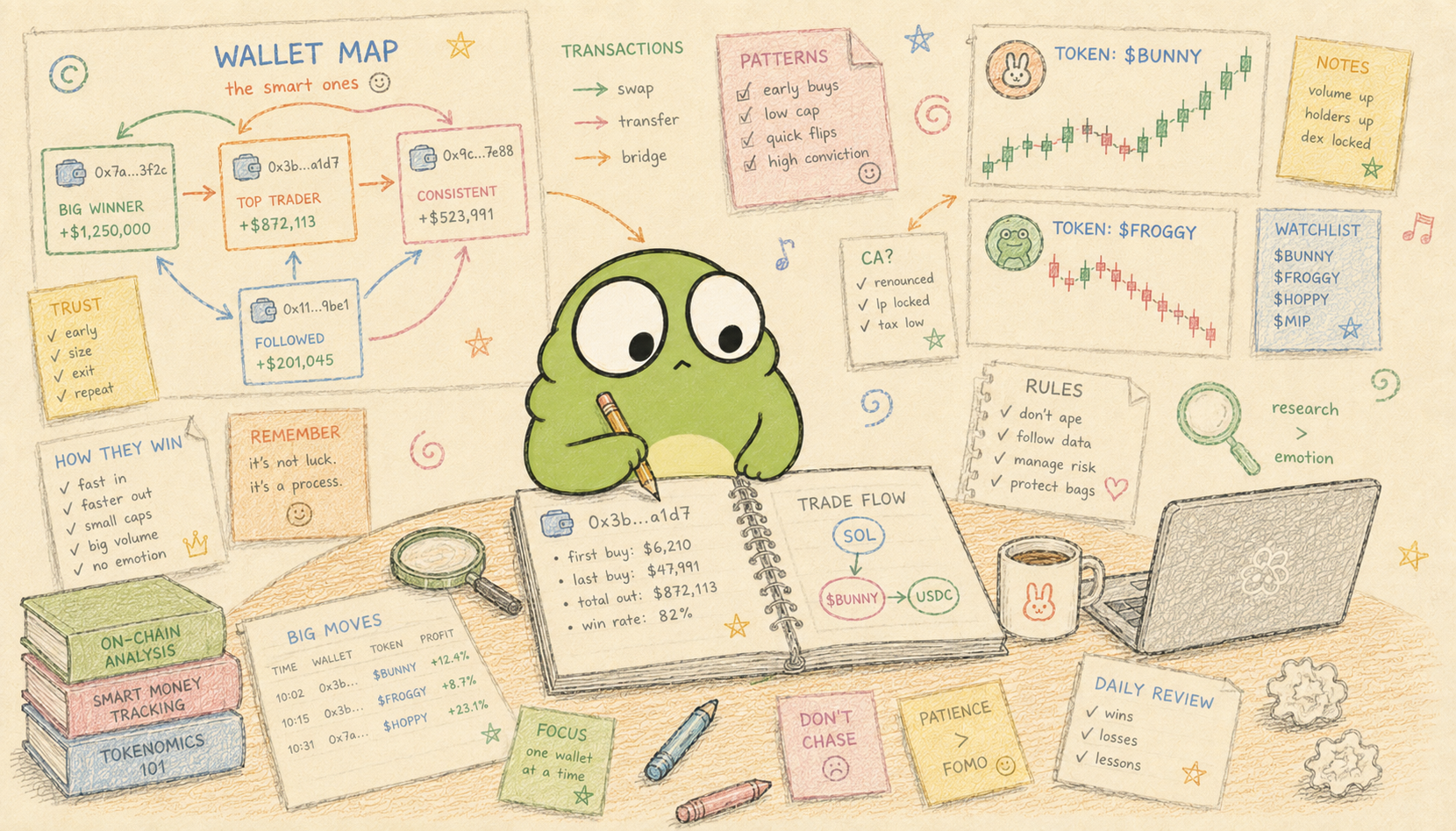
Mip began tracking wallets instead of blindly copying them. He watched early entries, volume, liquidity and unusual movements. He wanted to know what smart money was doing before everyone else noticed. But soon, he discovered another problem.
— 11 —
Too Many Wallets
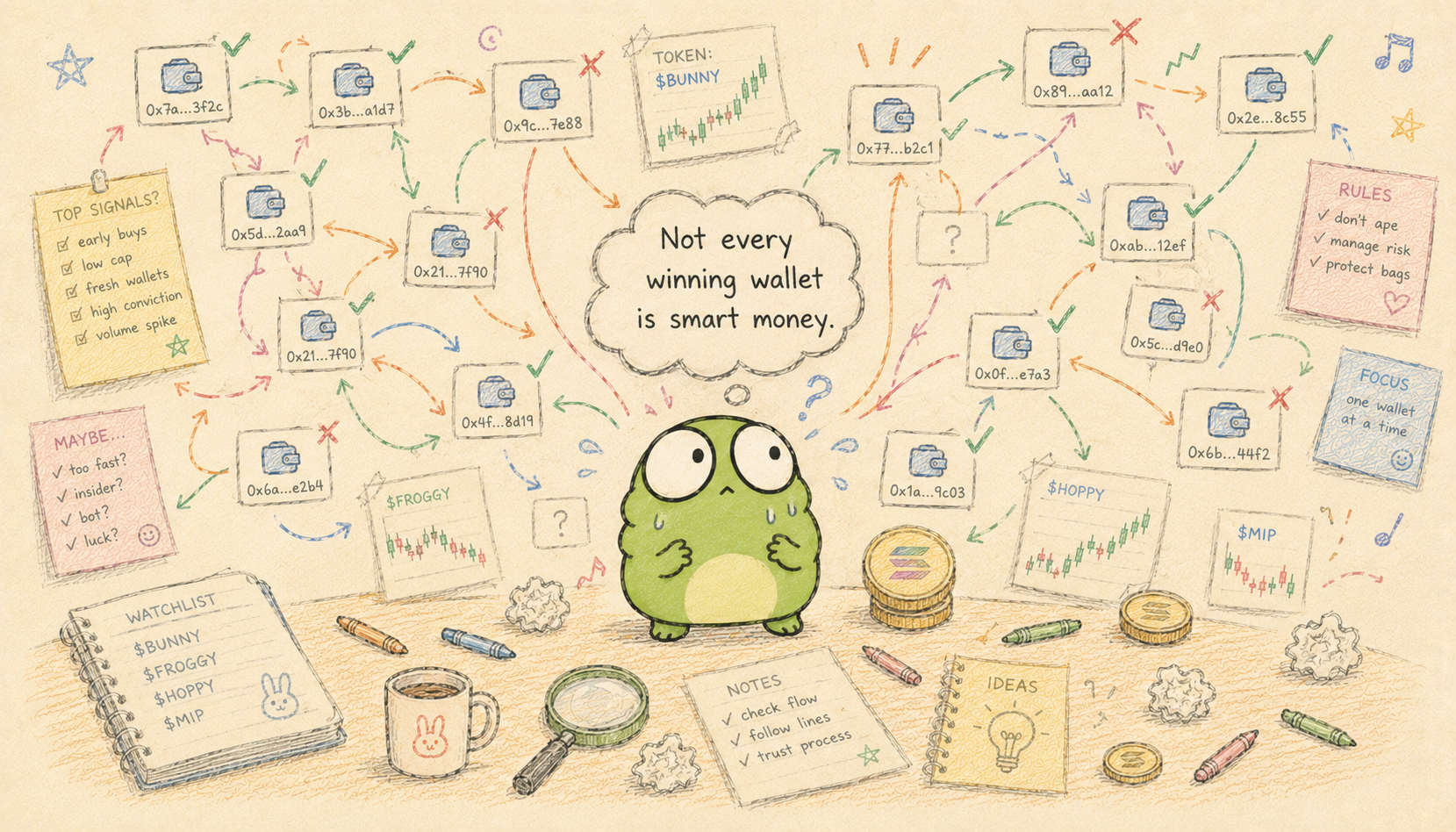
There were thousands of wallets to watch. Some were brilliant, some were lucky, and some only looked smart because of one perfect trade. Mip realized that finding a winning wallet wasn't enough. He needed to understand why it was winning.
— 12 —
The Data
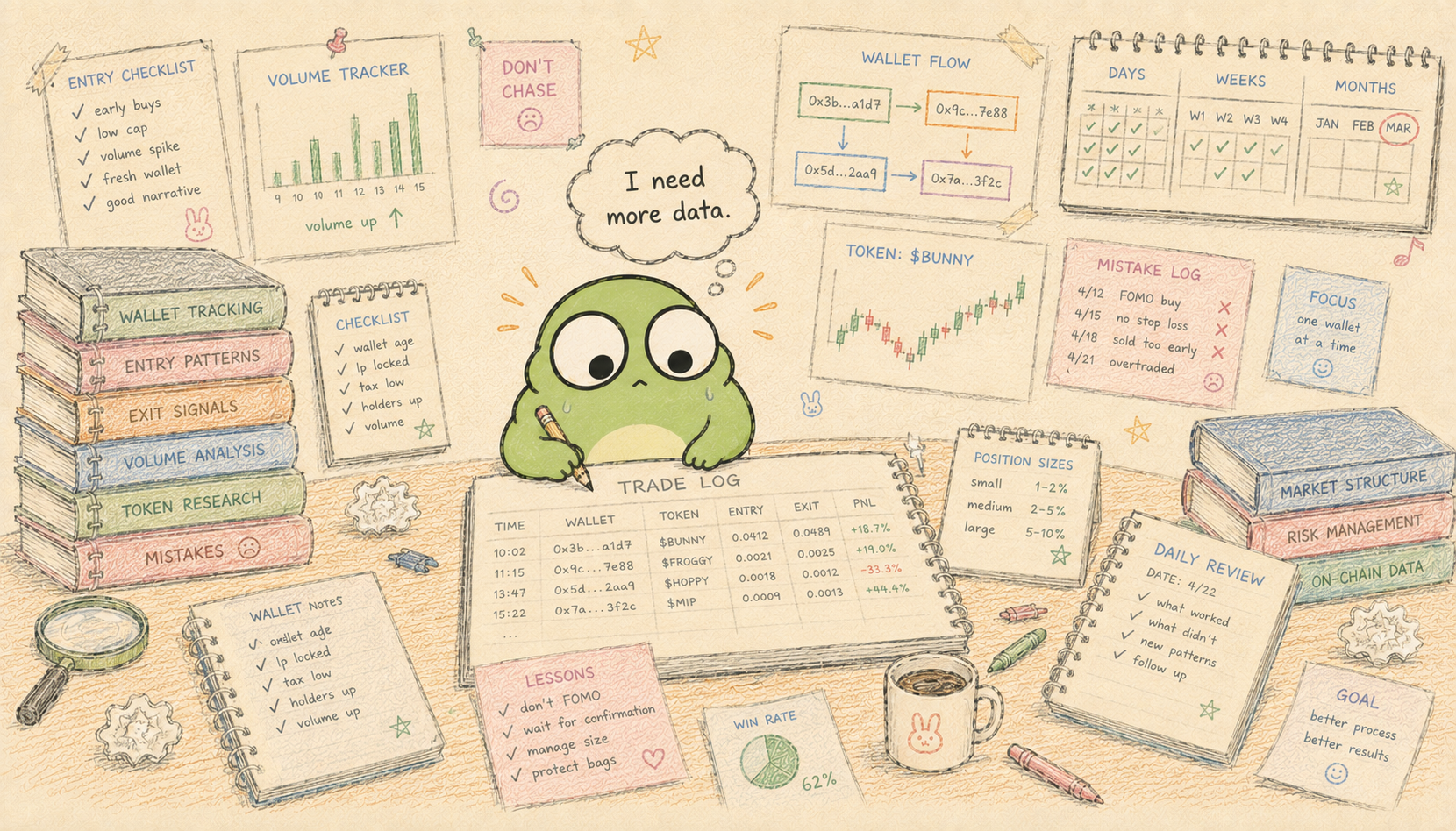
So Mip started recording everything. Every entry, every exit, every wallet and every mistake. He kept collecting data day after day, slowly building his own library of experience. The more he studied, the more he realized how much he still didn't know.
— 13 —
Building AI
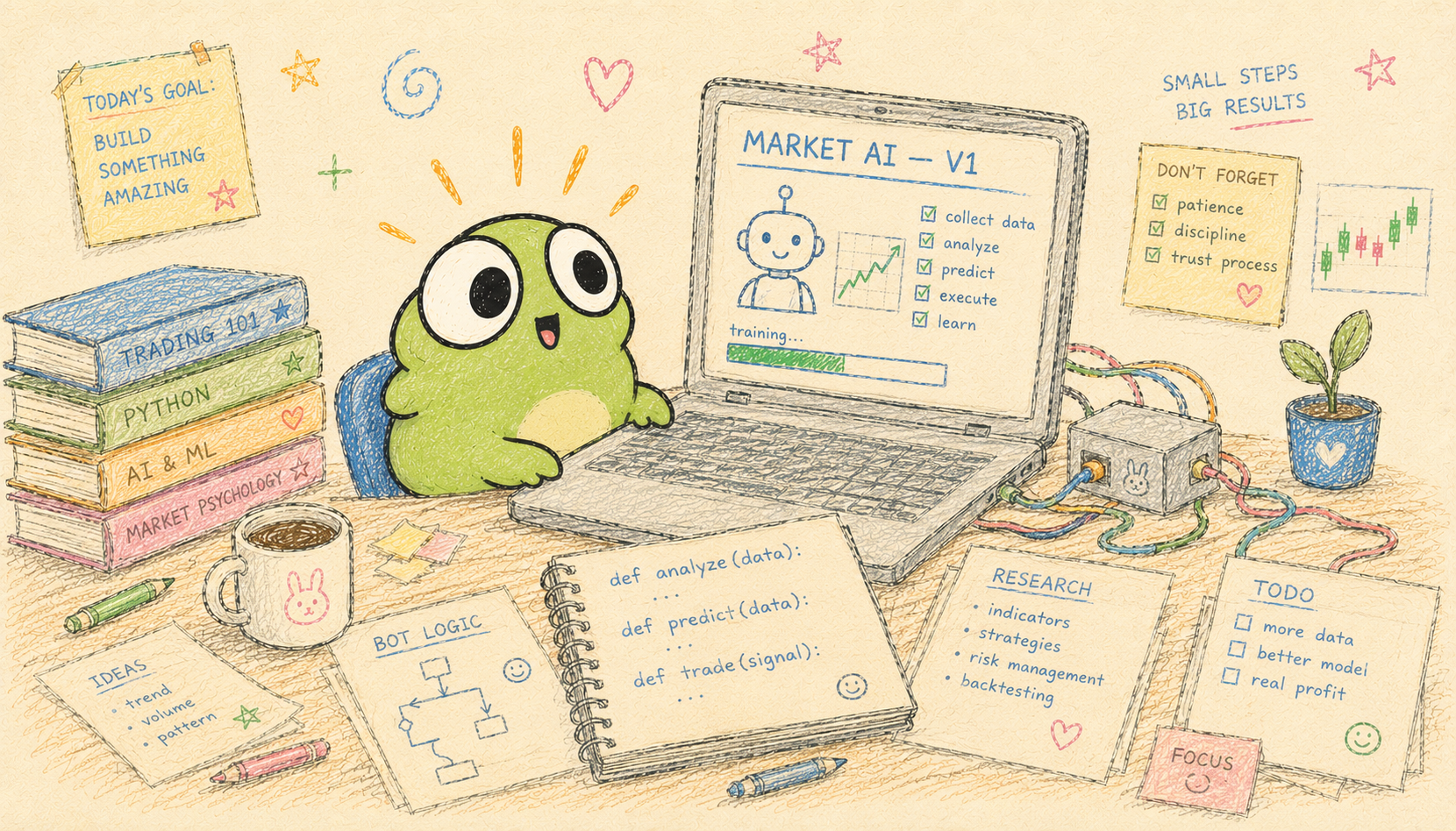
There was simply too much information for Mip to process alone. So he decided to build something that could help. He started writing his own AI, teaching it to analyze wallets, charts, volume and liquidity. For the first time, Mip wasn't just trading. He was building.
— 14 —
94% Confidence
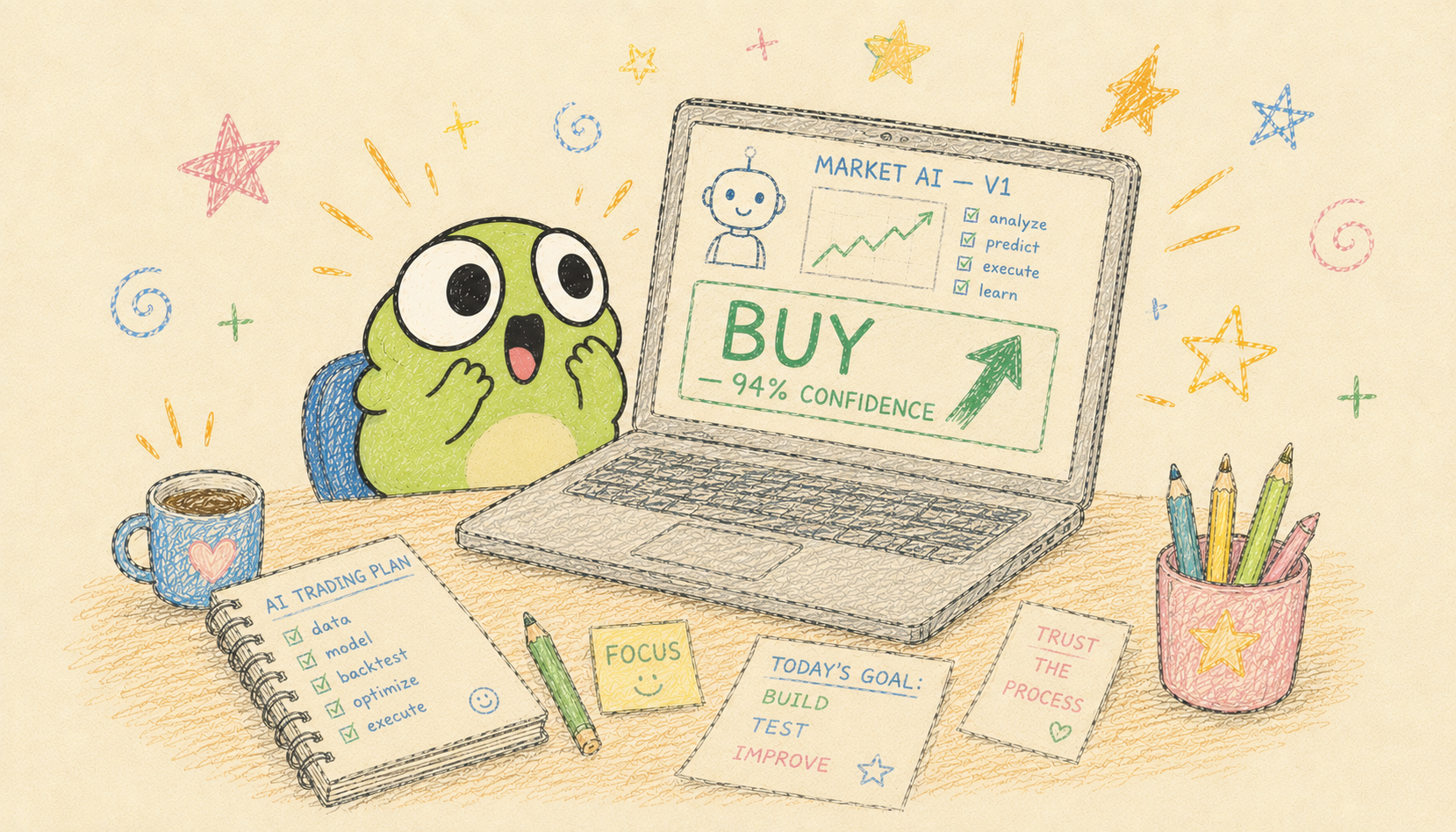
The first version looked incredible. One day, the AI found a setup and gave it a 94% confidence score. Mip had spent months building it, and now it seemed like everything had finally clicked. He entered the trade without hesitation.
— 15 —
94% Was Wrong
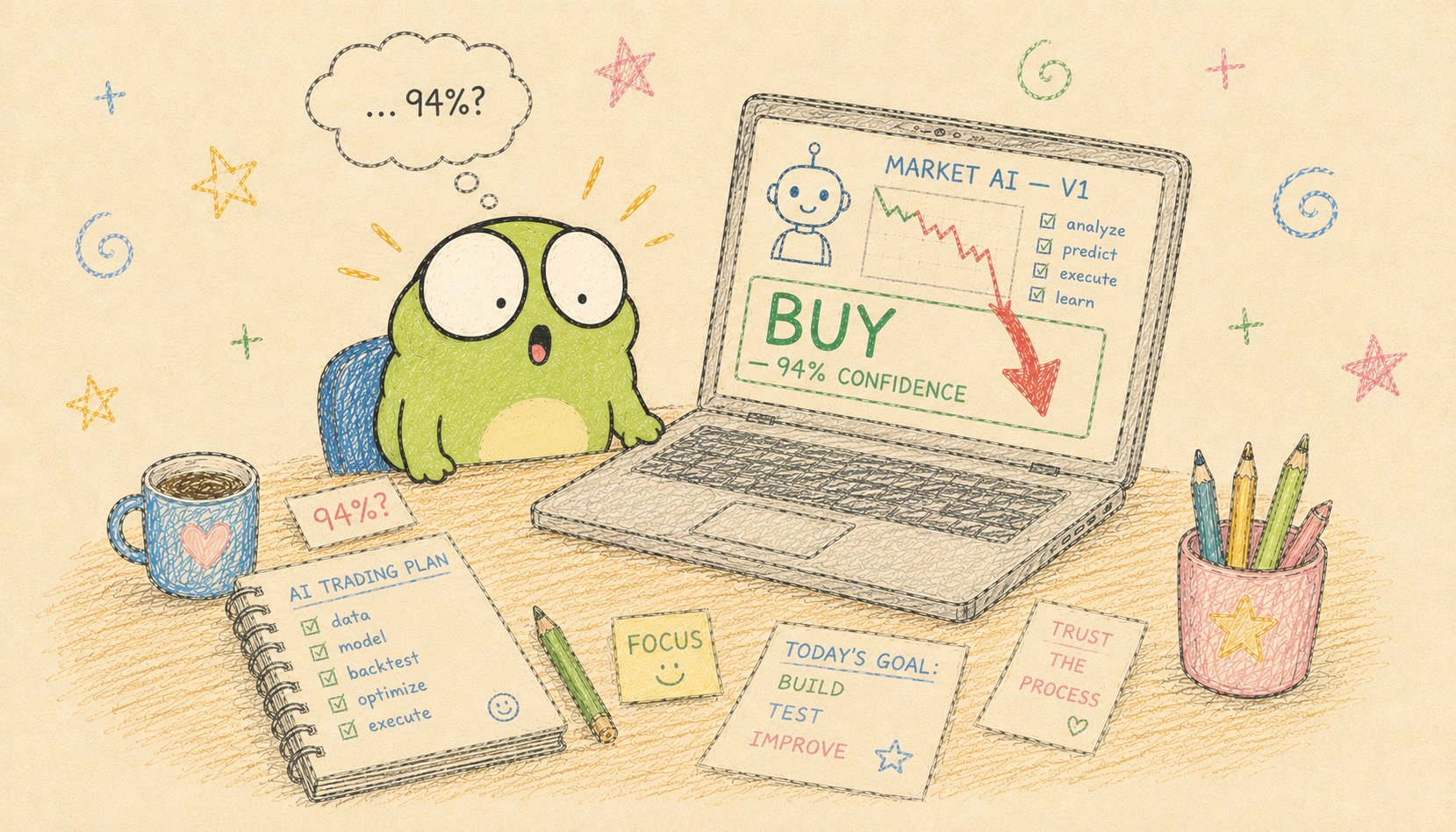
The market immediately went the other way. The position collapsed, and the AI's perfect 94% prediction turned into a painful lesson. Mip stared at the screen for a while. The system wasn't useless. It had simply learned from the wrong information.
— 16 —
Back To The Code
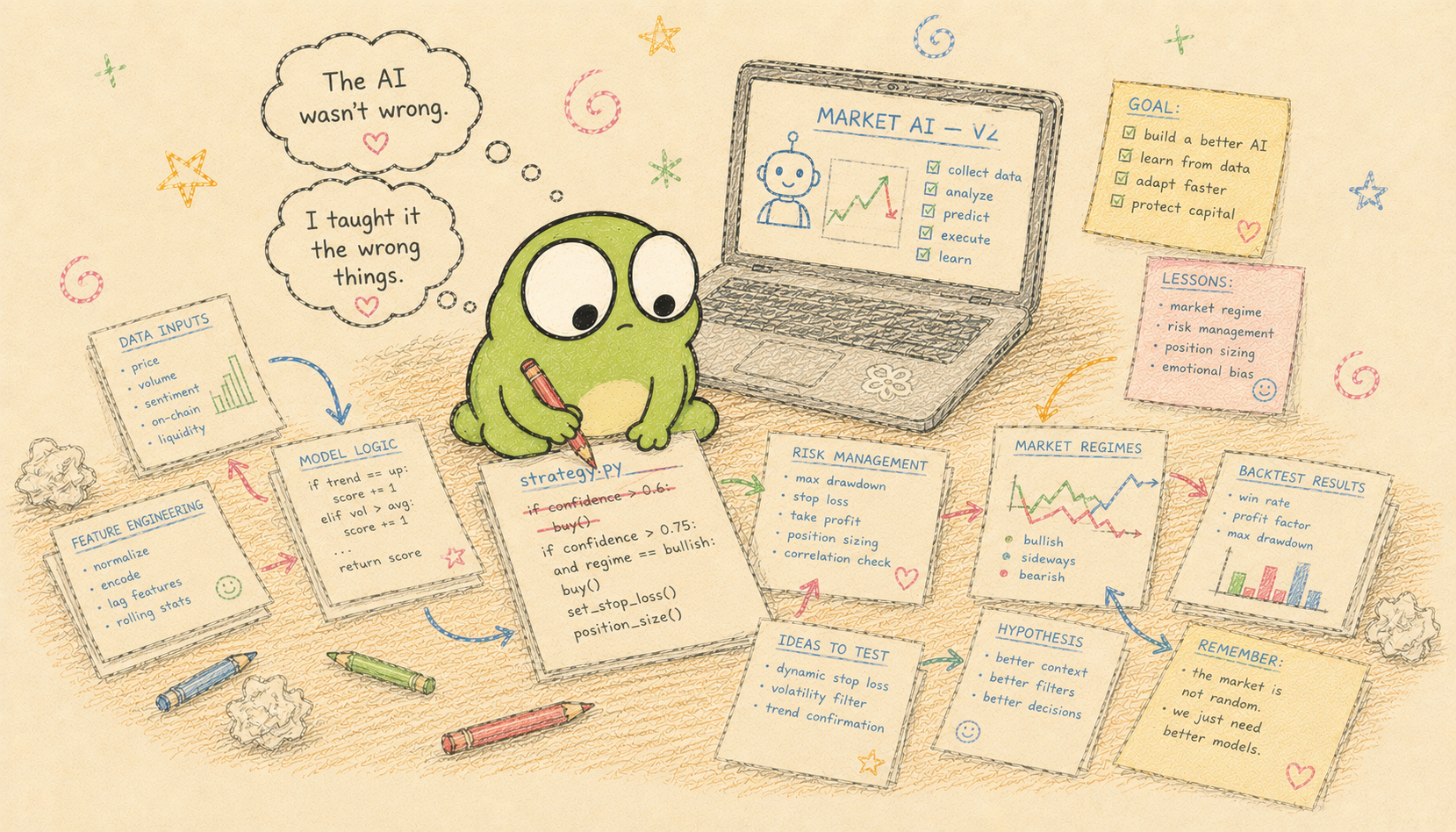
Mip went back through every prediction and every mistake. He didn't delete the AI. He rebuilt it. He changed what it watched, how it interpreted the data, and what it considered a real signal. Failure became another dataset.
— 17 —
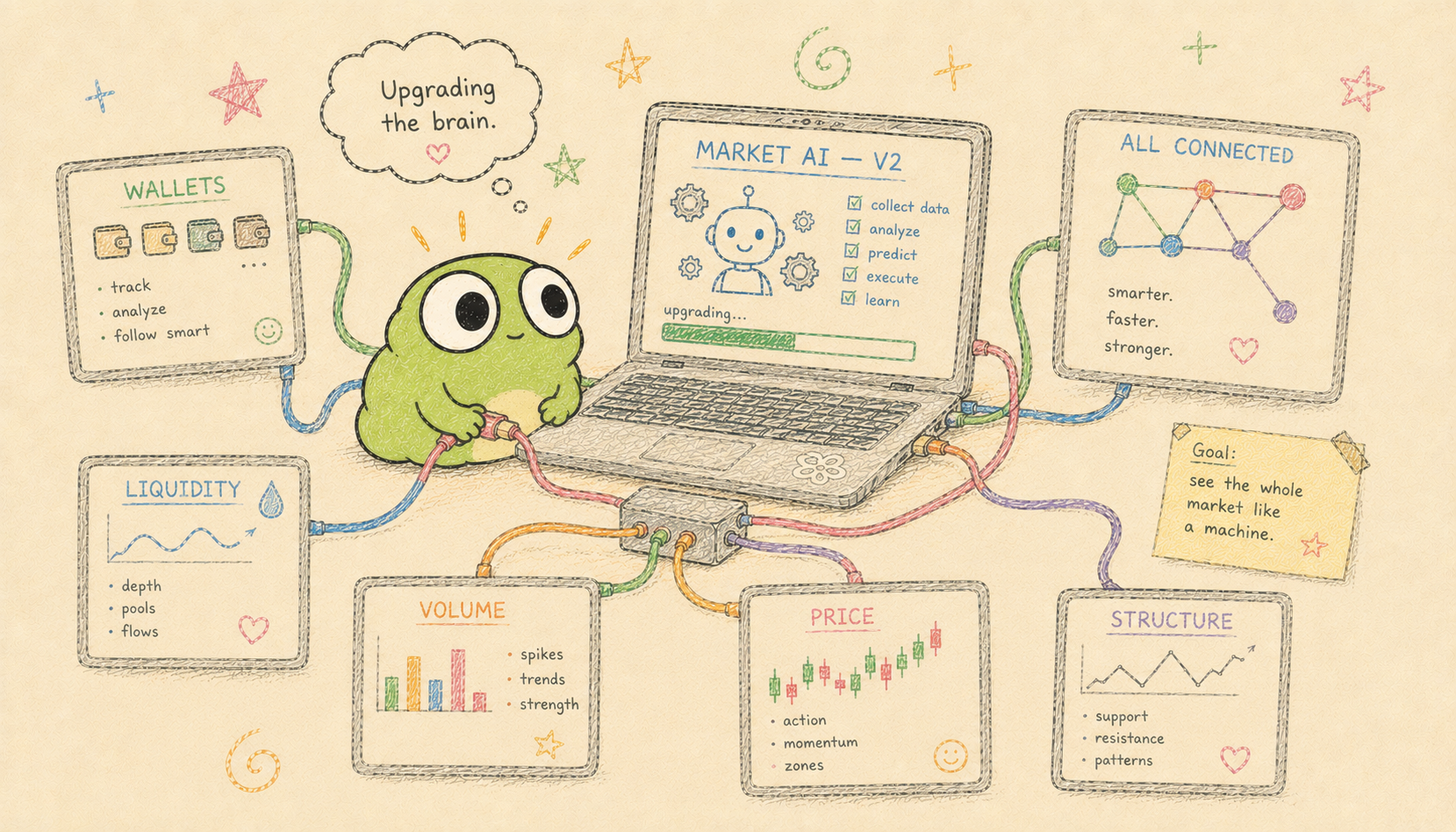
Market AI V2
The new version looked at much more than price. It studied wallet behavior, liquidity, volume acceleration, market structure and timing. Mip wasn't trying to predict every candle anymore. He wanted his system to understand the environment around the trade.
— 18 —
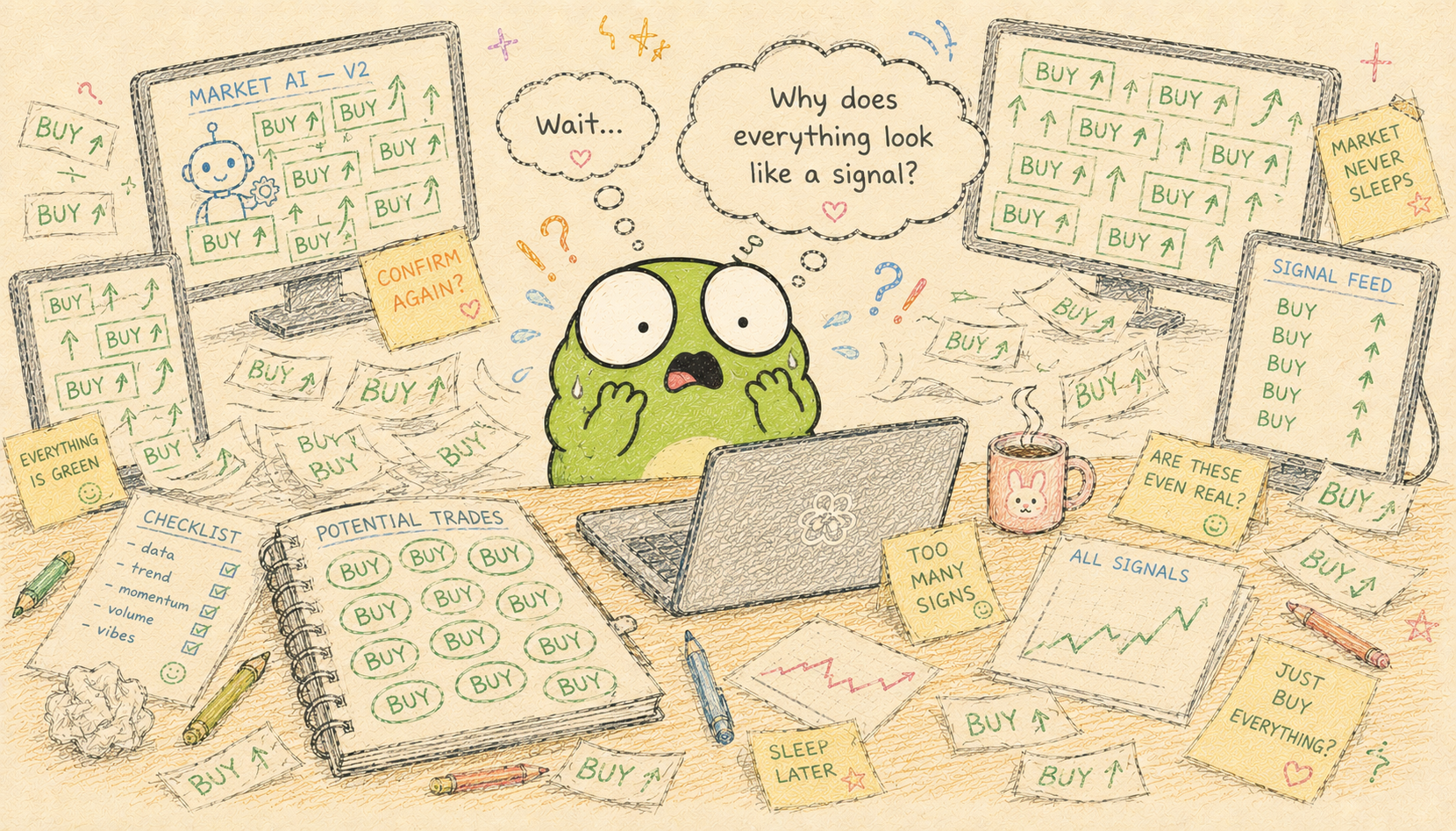
Too Many Signals
Then came another problem. The AI started finding opportunities everywhere. Every chart looked interesting. Every movement looked like a signal. Mip suddenly had more trades than ever, but more trades didn't mean better trades.
— 19 —
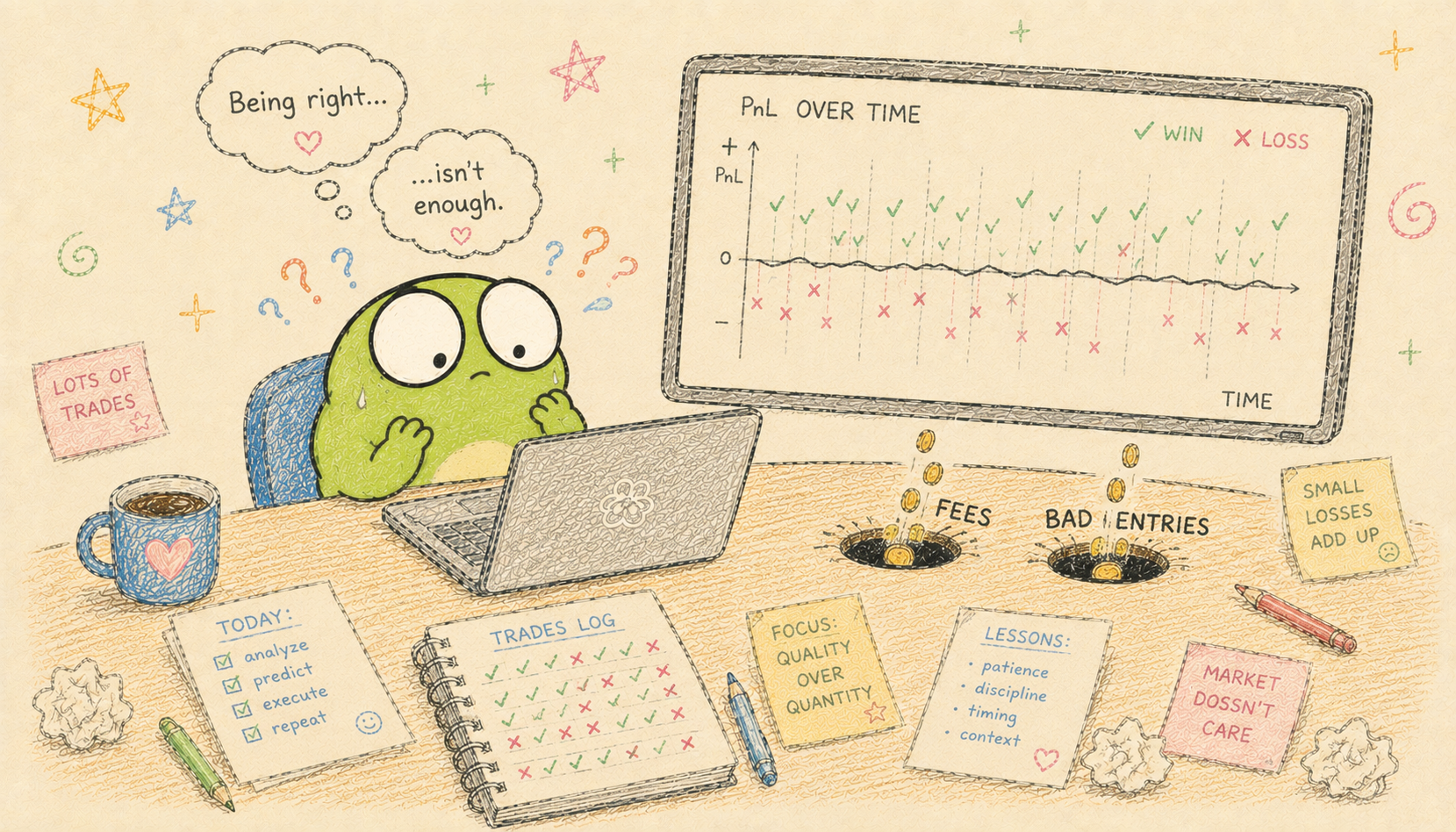
More Trades, Not More Money
Mip checked the results and saw something strange. Some trades were winners, others were losers, but after everything was added together, almost nothing had changed. He learned that being right wasn't enough. Timing, discipline and risk mattered just as much.
— 20 —
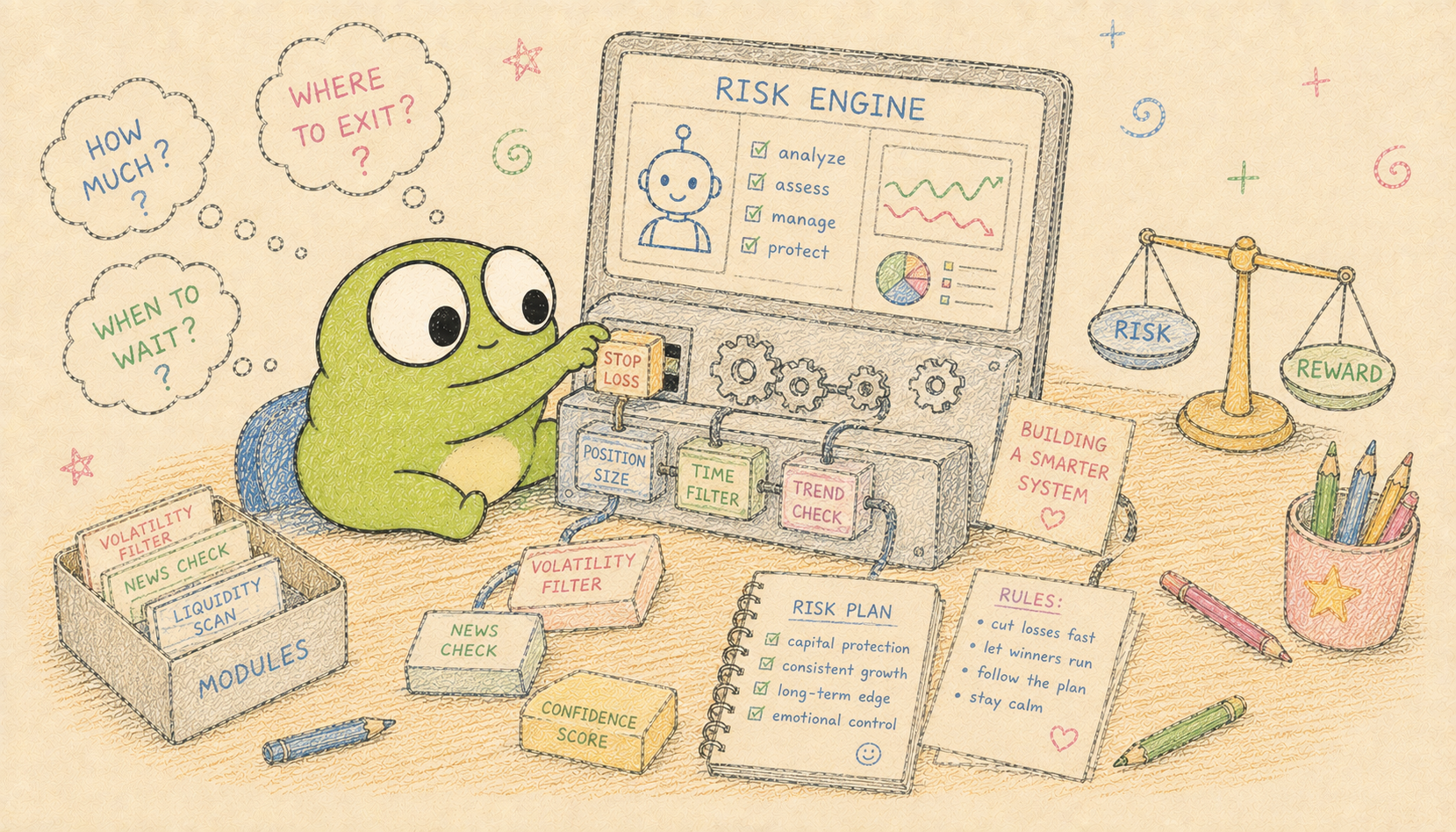
The Risk Engine
Mip added a completely new part to his system: a risk engine. The AI now had to decide not only whether to enter, but how much to risk, when to exit and when to stay away. Mip was finally learning that surviving mattered more than winning every trade.
— 21 —
Sometimes Do Nothing
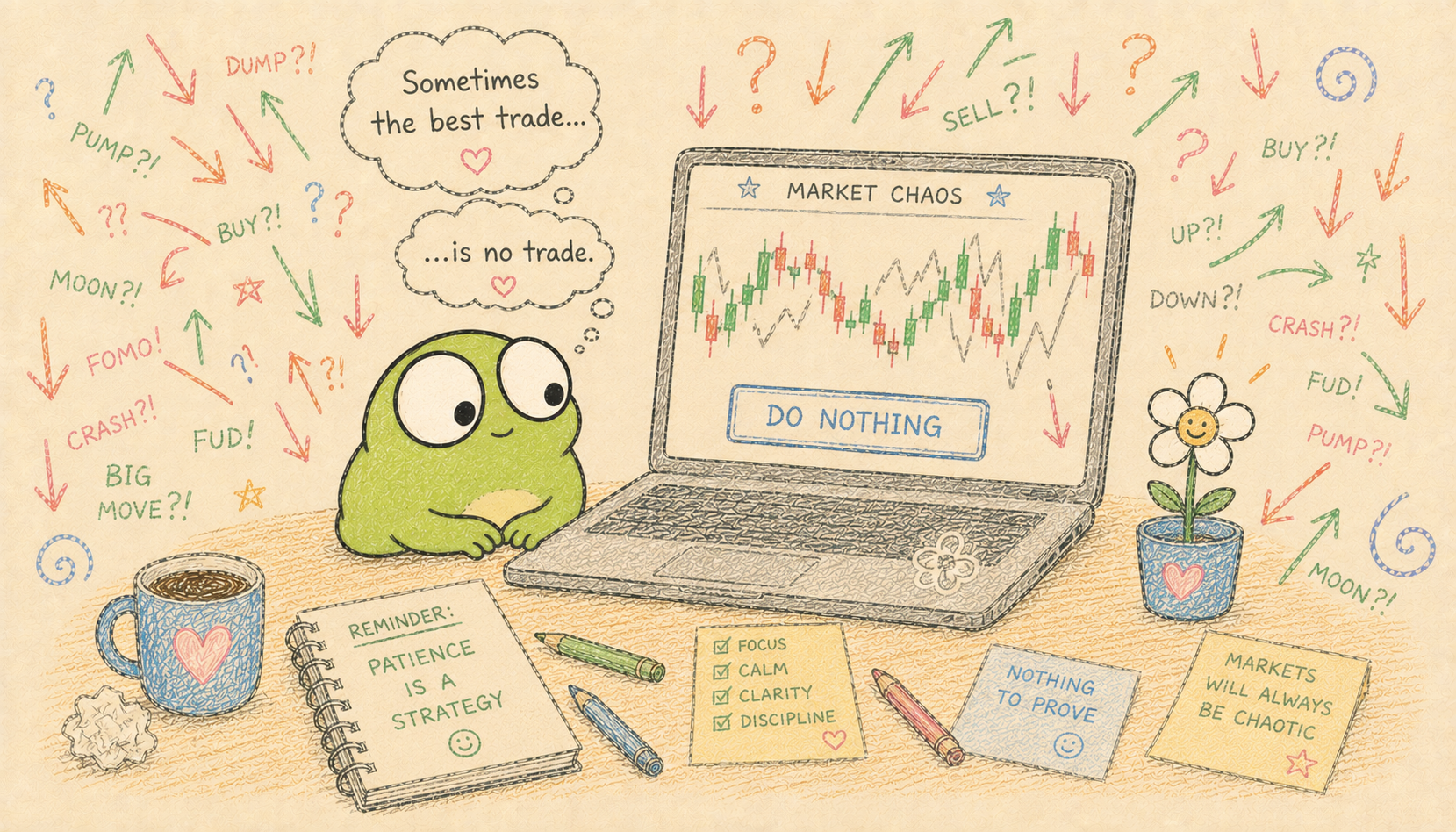
One of the hardest lessons was learning to wait. The market could be moving everywhere, with green candles, red candles and endless noise. Mip didn't have to participate in all of it. Sometimes the smartest move was simply doing nothing.
— 22 —
The Market Changes
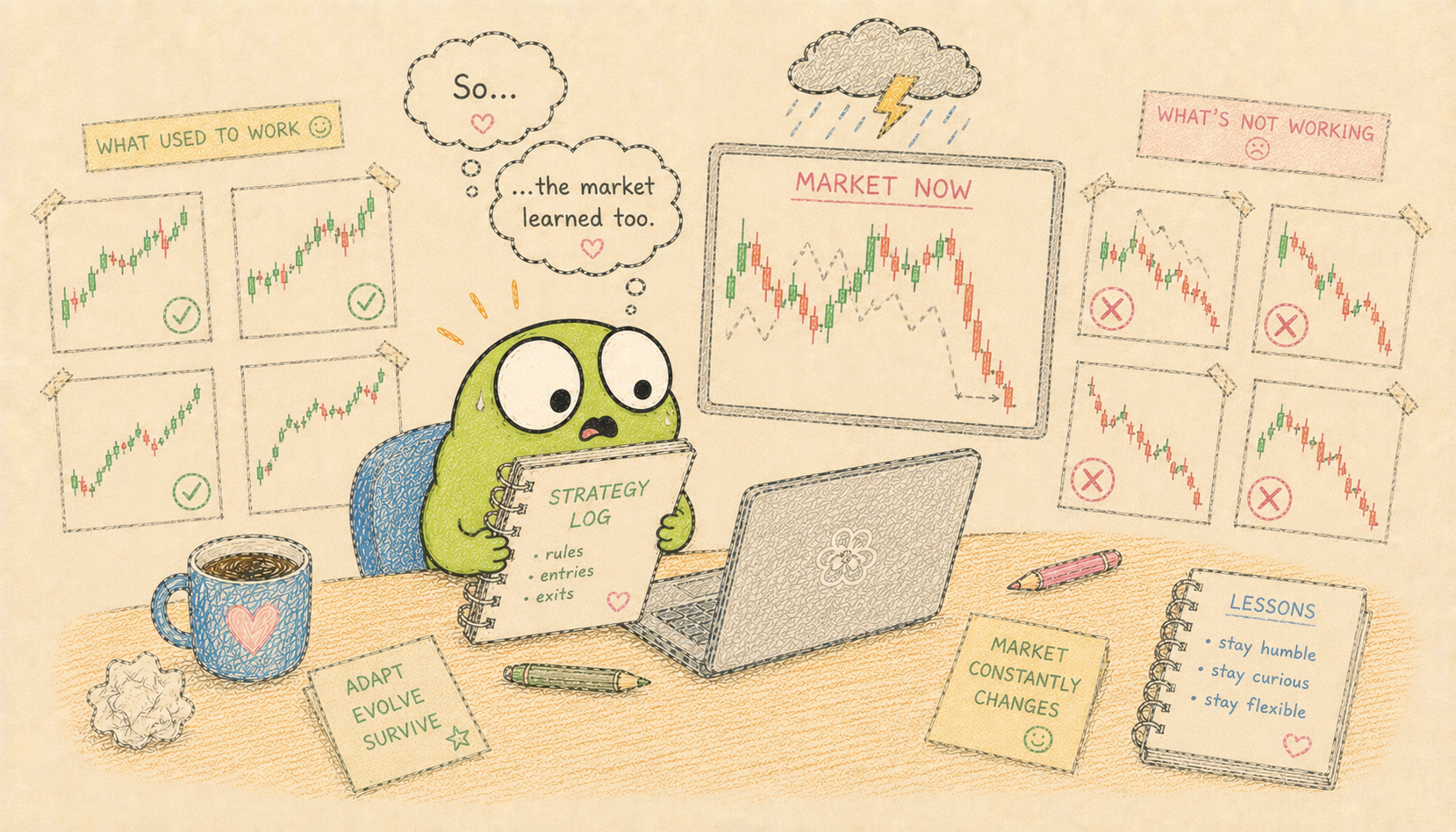
For a while, Mip's system worked beautifully. Then the market changed. Strategies that had worked for months suddenly stopped working, and the AI started making mistakes again. Mip realized there would never be one perfect strategy.
— 23 —
Different Markets
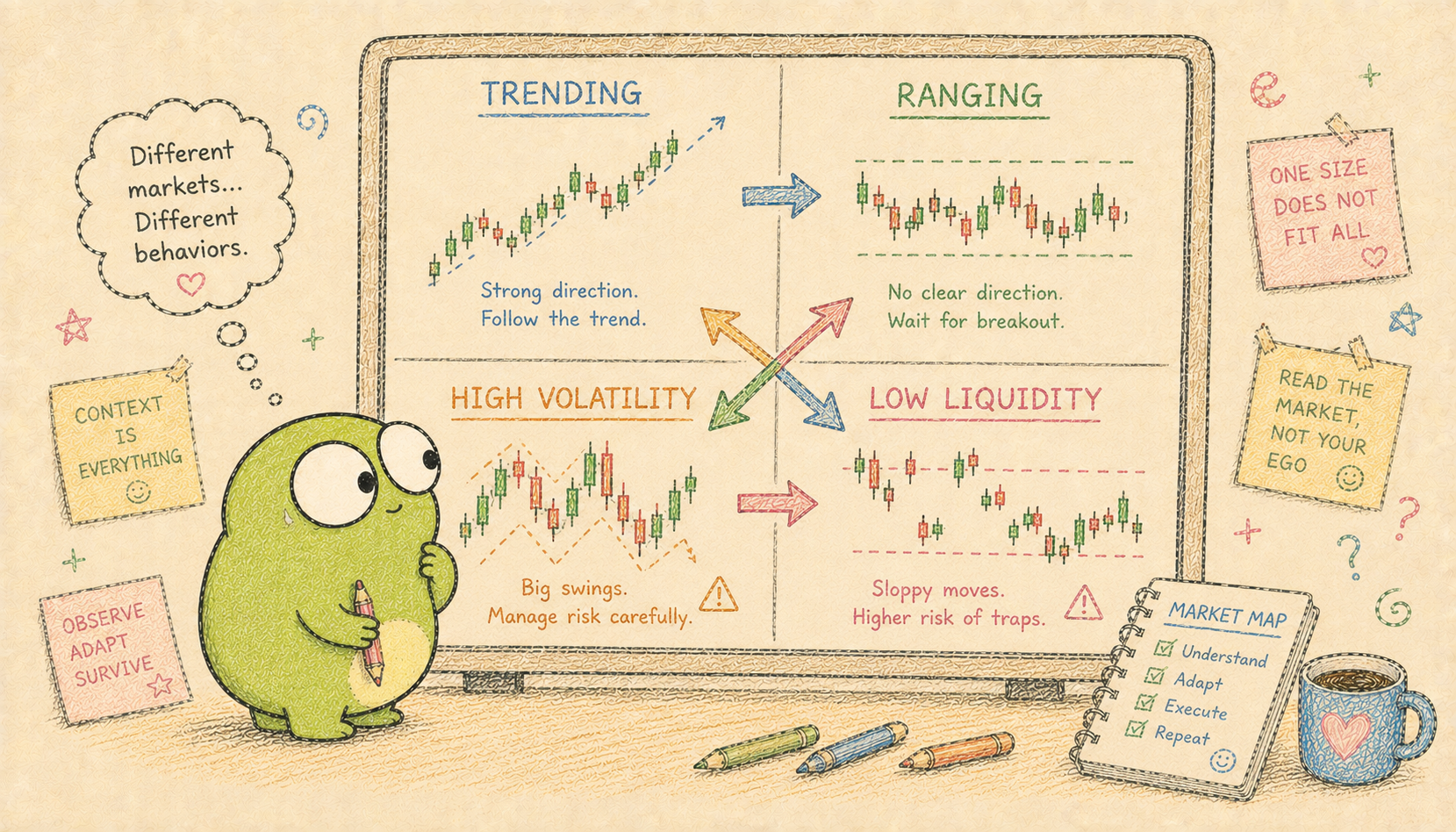
Instead of searching for one strategy, Mip started studying different market conditions. Trending, ranging, high volatility, low liquidity, momentum and reversals all behaved differently. The market wasn't one puzzle. It was many different puzzles constantly changing.
— 24 —
Years Pass
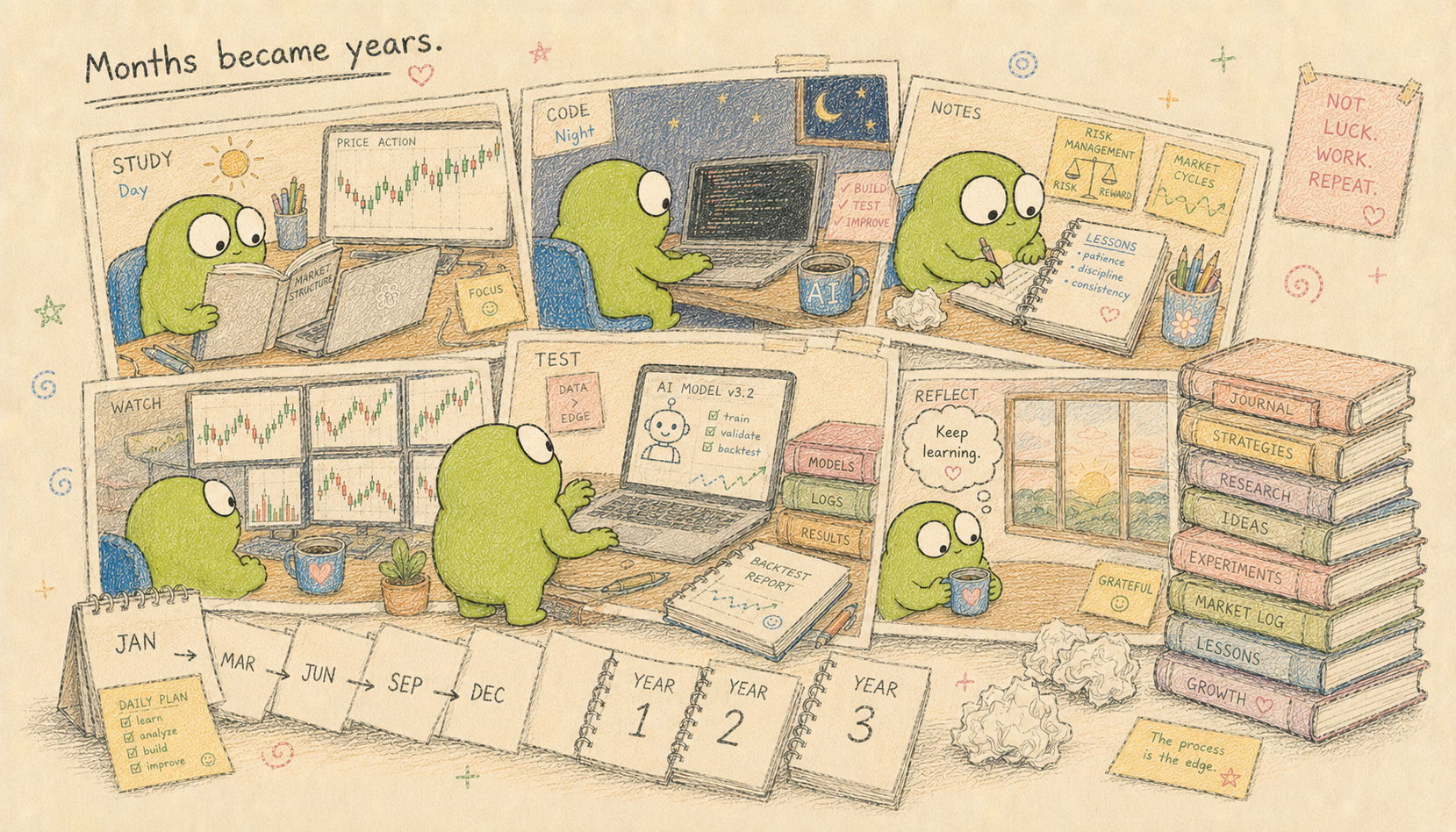
Months became years. Mip kept watching charts, studying wallets, coding at night and testing new ideas. He failed, learned, rebuilt and started again. Every mistake became another piece of knowledge, and every year made him a little harder to fool.
— 25 —
Looking Back
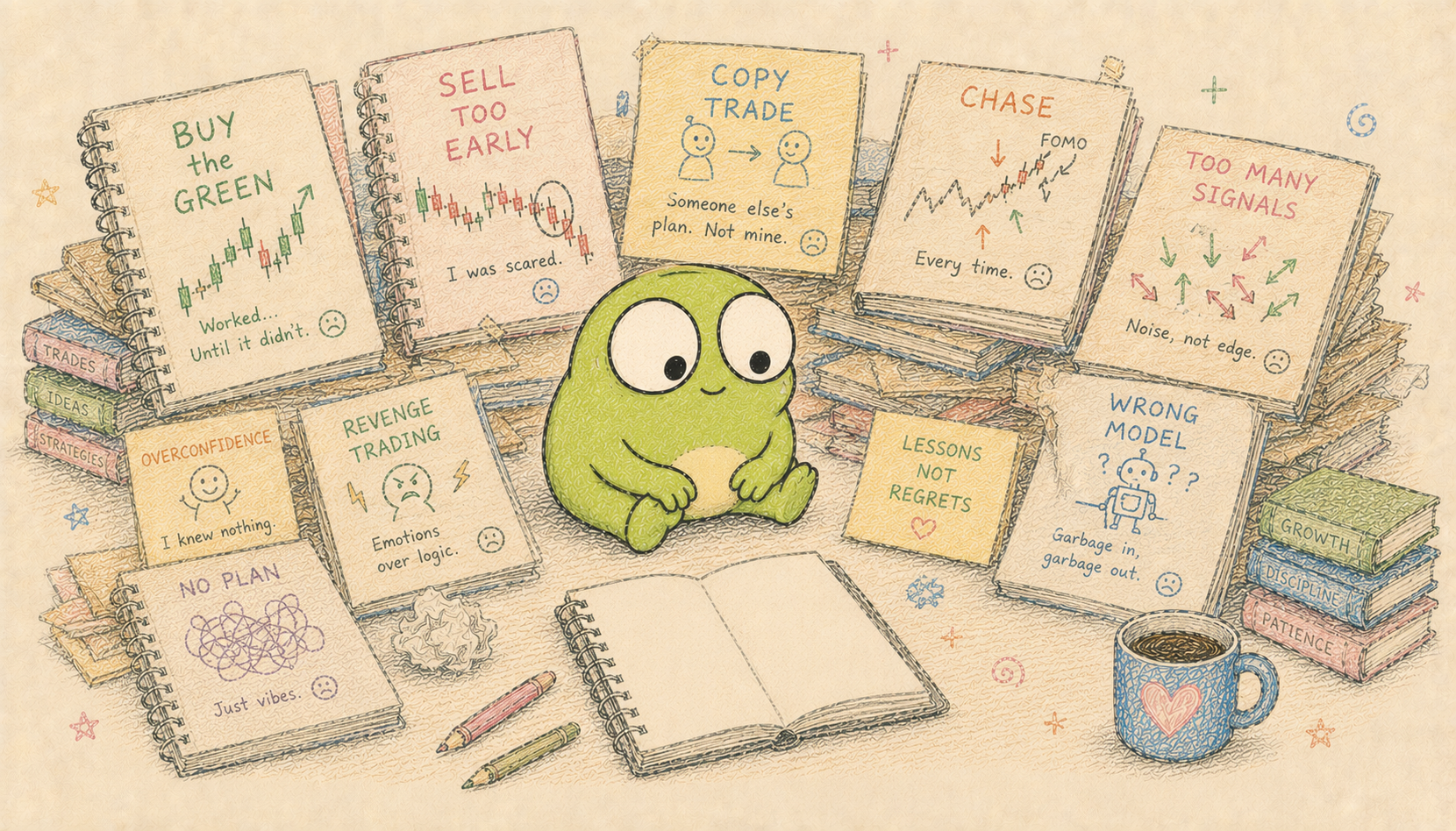
One day, Mip opened his oldest notebooks. They were filled with everything he had done wrong: chasing green candles, selling too early, copytrading and trusting weak signals. He didn't regret those mistakes anymore. They were the reason he had learned so much.
— 26 —
A Different Mip
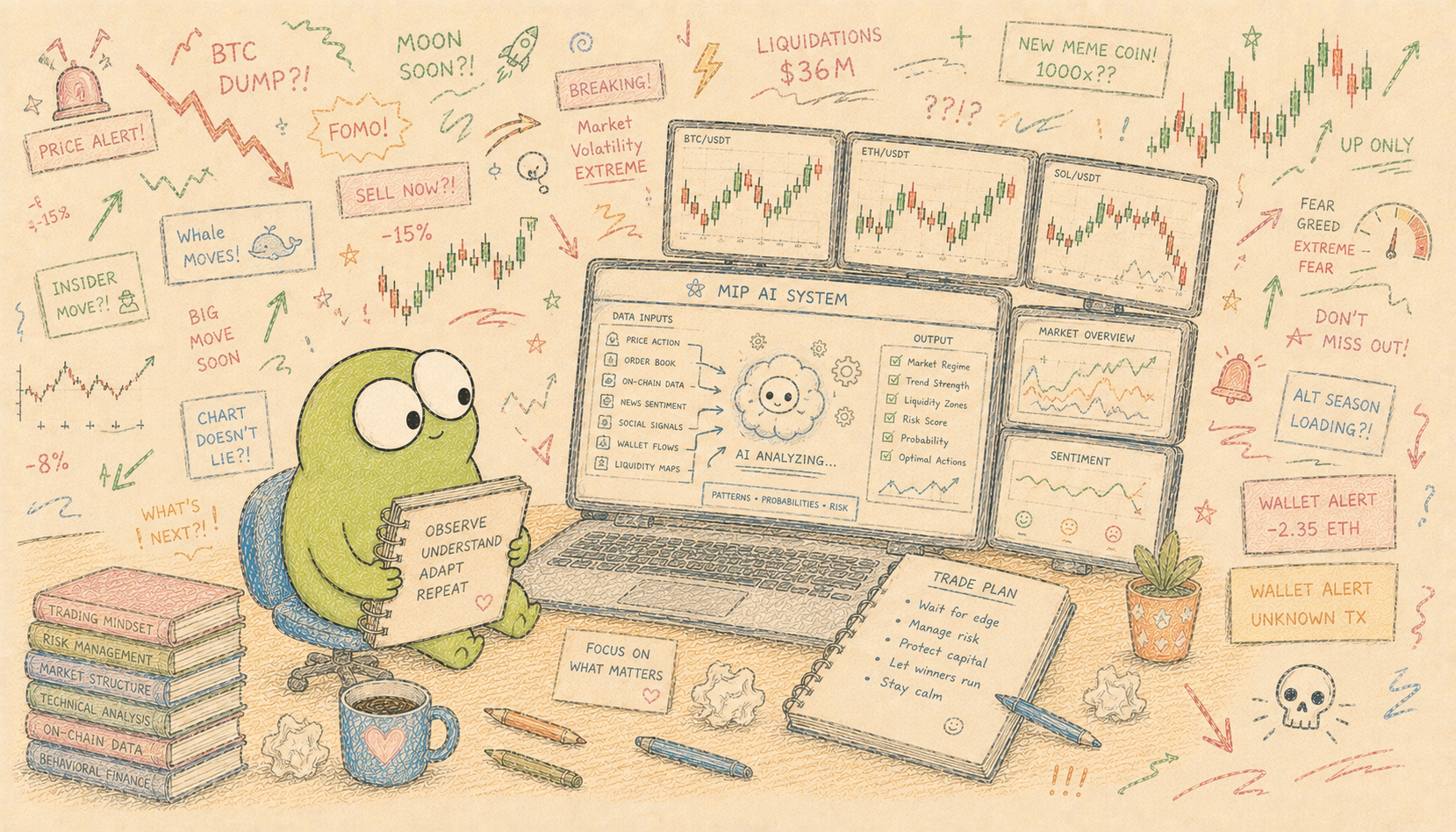
Mip hadn't become better because he discovered a secret strategy. He became better because he learned from every mistake and stopped repeating the same ones. The market was still chaotic, but Mip wasn't reacting to every move anymore. He was watching, thinking and waiting.
— 27 —
Back To The Trenches
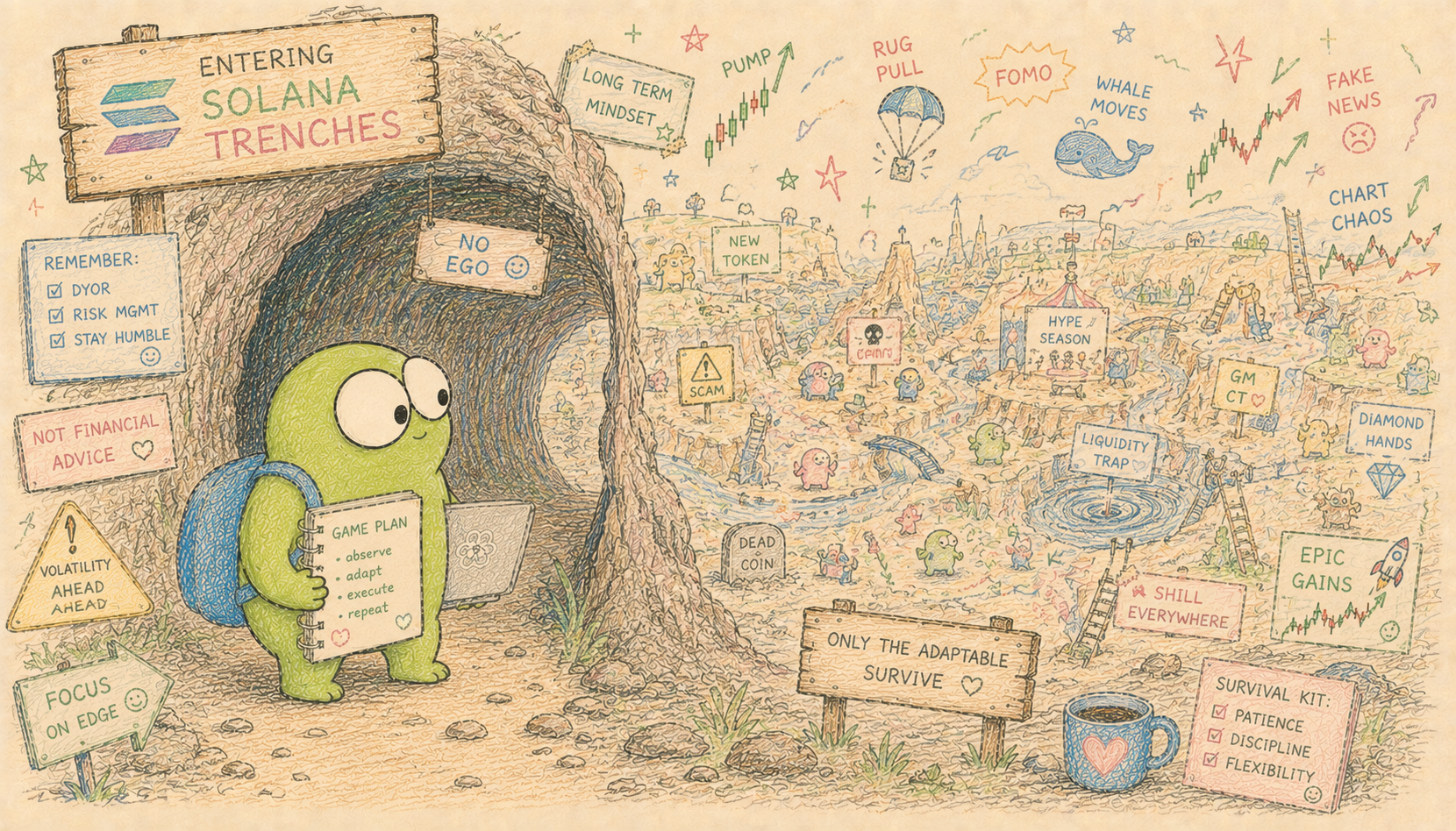
Years after his first trade, Mip returned to the trenches. Everything looked familiar — new tokens, new wallets, new narratives and the same endless chaos. But this time, Mip wasn't looking for someone to follow. He had spent years building something of his own.
— 28 —
The System Is Online
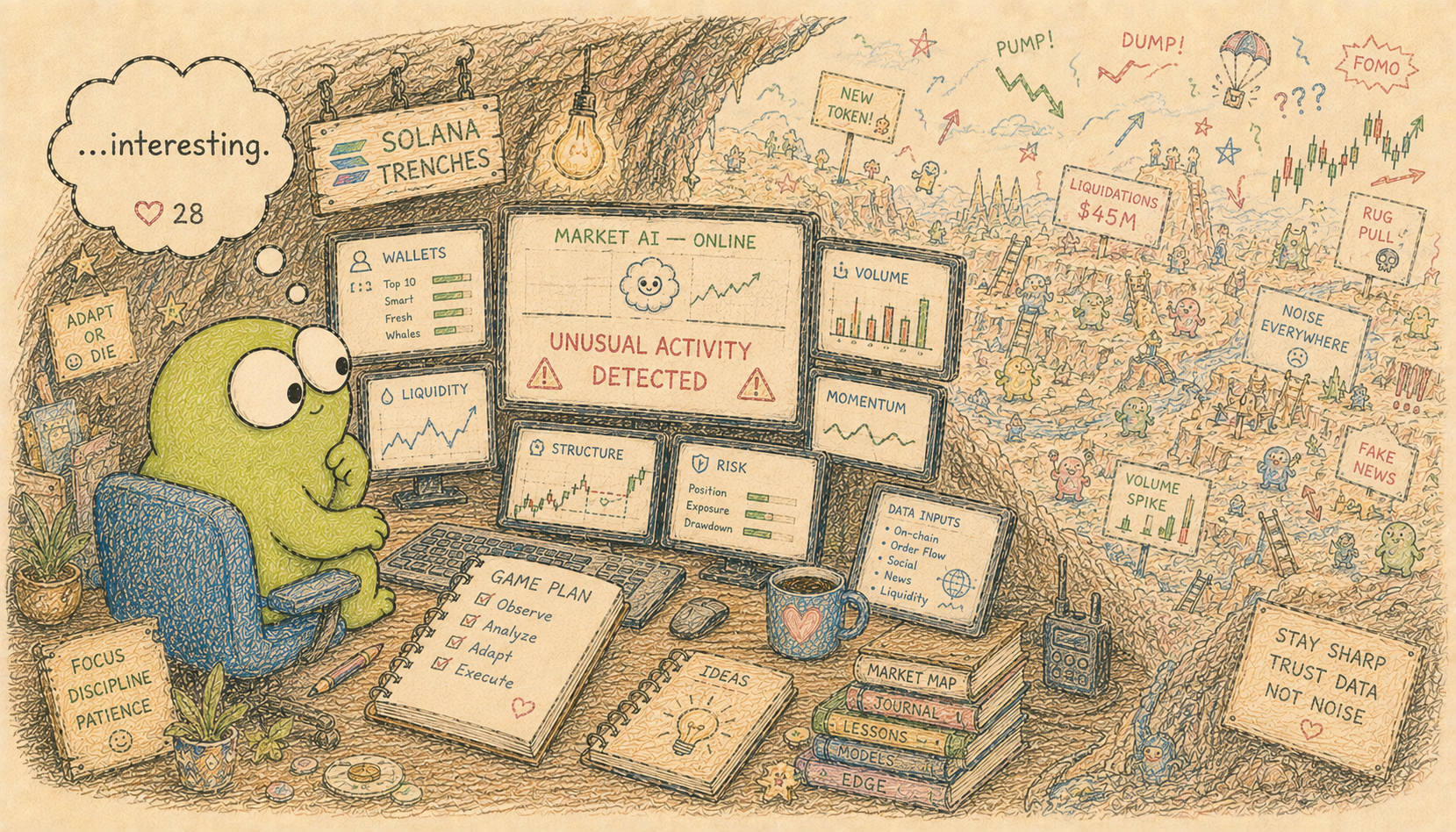
Mip connected his system and watched it come alive. Wallet activity, liquidity, volume, momentum, structure and risk were all being analyzed together. Then the screen suddenly changed. A new signal appeared: unusual activity detected. Mip looked at the screen. After all these years, something interesting had finally appeared.
Do not repost/re-upload. Credit me at all times.
© All rights reserved.